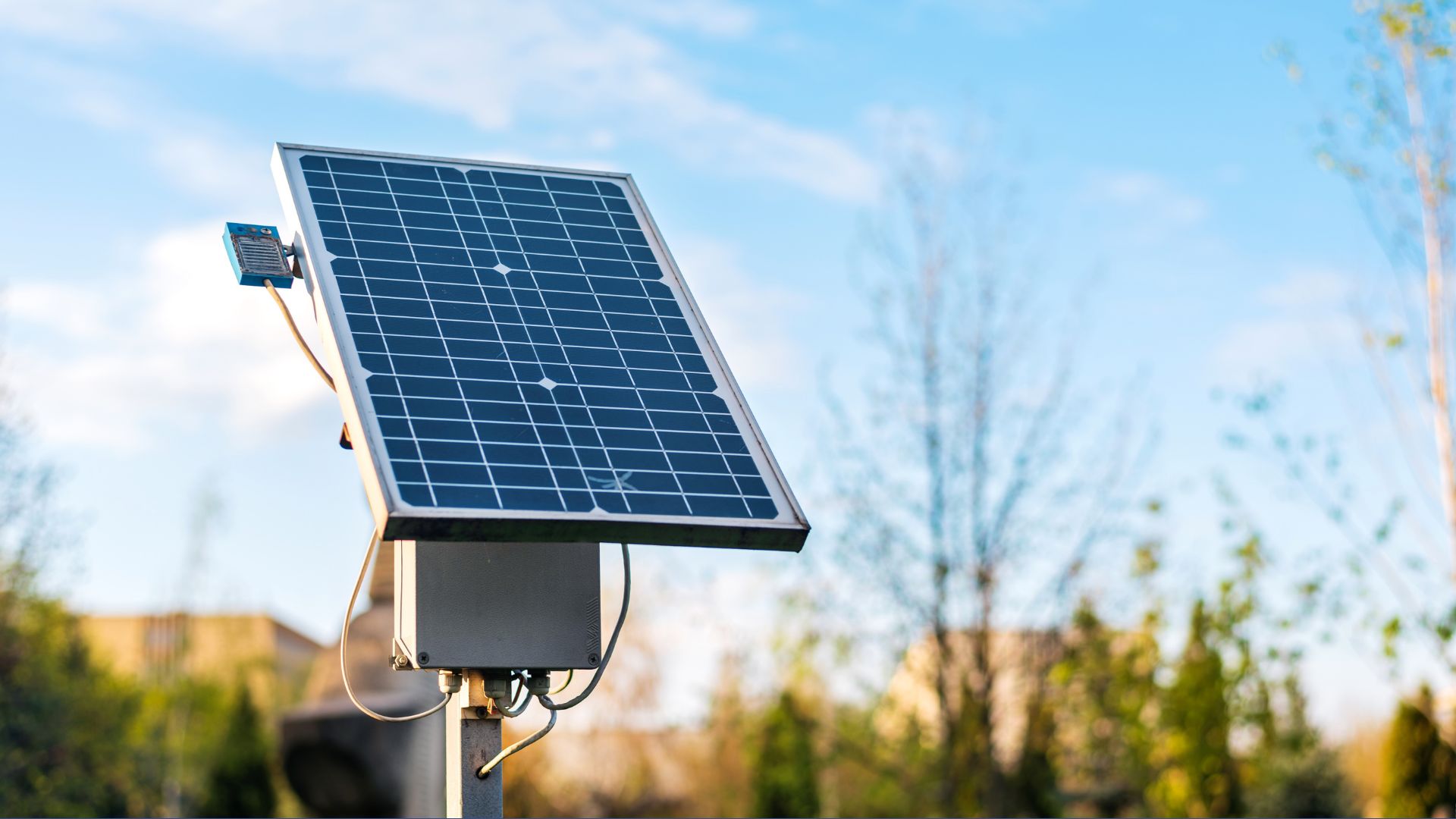
Coal, oil and natural gas are still the main fuels for energy around the world, and they are also the main causes of greenhouse gas emissions. Altogether, these fuels supply around 80% of the world’s energy and account for over 75% of global emissions, making the energy sector the main driver of climate change. In response, the energy transition has been promoted as a way of shifting energy systems away from fossil fuels and towards cleaner, renewable sources, driving a broader global energy transition that no country can afford to ignore.
This momentum is reflected in initiatives like the Santa Marta Conference, held in April 2026, where more than 50 countries gathered for the first-ever conference dedicated to transitioning away from fossil fuels. Rather than debating whether to phase out fossil fuels, the conference established concrete workstreams to build national phase-out roadmaps, marking a clear shift from ambition-setting to the harder work of implementation.
In addition to the politics of phaseout, this energy transformation creates opportunities to improve energy access, strengthen security, encourage innovation and generate new jobs. In developing countries such as Indonesia, this agenda is also closely linked to broader economic development, from attracting investment to establishing a competitive clean energy economy and shaping the future of energy for the region.
What is Energy Transition?
A sustainable energy transition involves a fundamental change in how energy is produced, distributed and used. Spanning multiple sectors, including transportation, industry, and heating, this transition to renewable energy aims to create a more environmentally friendly, reliable, and equitable energy system for all. There is also the concept of just energy transition, which the UNDP defines as ensuring the process leaves no one behind, including workers in fossil fuel industries and communities vulnerable to rising energy costs.
The ILO defines it as a fair and inclusive approach to greening the economy, placing strong emphasis on creating decent jobs and protecting labour rights. Ambitious climate action could generate up to 18 million green jobs worldwide by 2030.
A Race the World is Losing
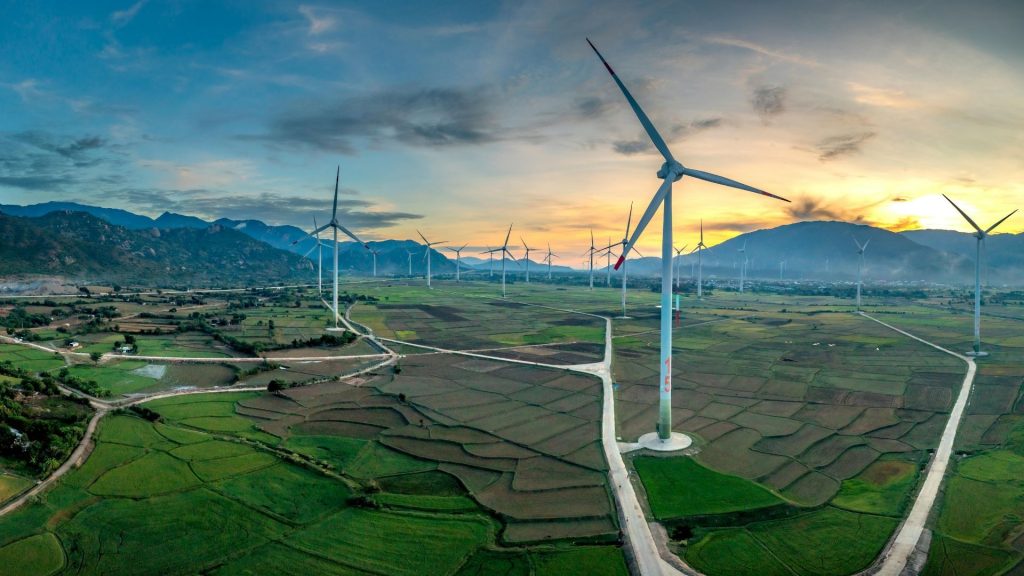
Over 130 countries have committed to tripling renewable energy transition capacity by 2030. Setting this target is important if countries want to keep the rise in global temperatures below 1.5 degrees Celsius, as agreed in the Paris Agreement. To achieve this, the renewable energy sector must grow by at least 16.4% annually.
However, progress remains insufficient. In 2023, South America recorded growth of only 12%, while Asia and North America achieved 9% and Africa just 3.5%, respectively. The UNEP Emissions Gap Report, published in November 2023, projects that global temperatures could rise by as much as 2.8°C if current policies remain unchanged. Even if all national climate commitments are fully implemented, the best-case projection still ranges between 2.3 and 2.5 degrees Celsius.
Southeast Asia is no exception. Renewables in the region are growing, but the energy transition in Southeast Asia is not expanding as quickly as in other parts of the world. According to the IEA, Southeast Asia’s clean energy spending was only about 2% of the global total in 2023, and annual investment needs to more than double to meet long-term climate goals. As the region’s largest economy, Indonesia represents one of the biggest opportunities in this space, but financing constraints and policy uncertainty continue to slow its renewable energy transition.
Indonesia Energy Transition Roadmap
Indonesia is projected to become the world’s fourth-largest economy by 2050, and the government has pledged to achieve net-zero transition by 2060 or sooner. As part of its national electricity development plan, the government intends to boost the proportion of renewable energy in the energy mix from 14% in 2021 to 23% by 2025.
According to BloombergNEF’s Indonesia Transition Factbook, Indonesia also holds several strategic advantages in its energy transition:
- The world’s second-largest geothermal producer, with significant potential in hydro and solar energy
- A major supplier of critical energy transition minerals such as nickel, cobalt, bauxite, and copper
- A rapidly expanding sustainable finance market, reflected in sustainable debt issuance that increased twelvefold from US$0.5 billion in 2015 to US$6.3 billion in 2024
Despite this potential, Indonesia still faces major challenges in its energy transition. More than 60% of the country’s electricity is still generated from coal-fired power plants. By comparison, nearly 20% comes from natural gas, making the power sector the largest contributor to fossil fuel emissions. As a result, the target of achieving a 23% renewable energy share by 2025 has yet to be met.
Nevertheless, several positive developments have started to emerge. Additionally on the policy front, Indonesia submitted its Second Nationally Determined Contribution (SNDC) in late 2025. For the first time, the document includes a dedicated chapter on just transition, covering:
- Protection for workers in fossil fuel industries
- Building a low-emission economy that generates decent jobs
- Workforce capacity building, with specific attention to gender equality and vulnerable groups
- Participatory dialogue on social protection and labour standards
- Blue carbon ecosystems, like mangroves and seagrass, as part of Indonesia’s mitigation commitments
When it comes to financing, the SNDC says Indonesia will need as much as US$472.6 billion between 2030 and 2035 to meet its net zero transition targets. That’s a big jump from the US$247 billion estimated in the last cycle.
Indonesia also launched its Indonesia energy transition roadmap through the new Electricity Supply Business Plan (RUPTL) 2025–2034 in May 2025. Indonesia’s state-owned electric utility company (PLN) aims to add 69.5 GW of new power capacity by 2034, with 42.6 GW from renewables and 10.3 GW from storage. Between 2021 and 2025, renewable energy recorded the highest growth rate among all energy sources at 15.48%. The government has also set an ambition to install 100 GW of solar capacity by 2029, a programme seen as a potential driver of domestic manufacturing, job creation, and green technology transfer.
Indonesia has positioned carbon capture and storage (CCS/CCUS) as a key pillar of its national energy transition strategy, with around 19 potential projects identified and expected to begin operations between 2026 and 2030. The Asian Development Bank has also committed US$500 million to support Indonesia’s clean energy transition between 2026 and 2031, part of a broader country partnership strategy that prioritises energy transition as central to Indonesia’s long-term resilience and sustainability.
The Structural Barrier to Clean Energy Transition
Since the 2015 Paris Agreement, international cooperation on the energy transition has continued to grow. Additionally, Indonesia even secured over US$21 billion in JETP funding to speed up its transition to clean energy. However, the target of achieving a 23% renewable energy mix within a decade remains far from being realised, suggesting the main barriers go beyond a lack of investment or international support.
Research published in 2026 indicates that institutions with the greatest influence over policymaking and budgeting still tend to favour a development pathway based on fossil fuels. Meanwhile, institutions oriented towards decarbonisation, such as the National Development Agency (Bappenas), the Ministry of Forestry and the Ministry of Environment, lack sufficient influence to drive systemic change, making it difficult to implement the sustainable energy transition agenda consistently.
Coordination issues also remain a major challenge. Mandates for reducing emissions are spread across multiple ministries, including the Ministry of Energy and Mineral Resources, the Ministry of Industry, the Ministry of Trade, the Ministry of the Environment, the Ministry of Forestry, and the National Development Planning Agency (Bappenas), without any single institution holding full authority to lead coordination efforts. Consequently, decarbonisation policies are frequently implemented ineffectively and inconsistently.
Fragmentation also occurs within institutions themselves, where different directorates manage energy indicators with inconsistent reporting systems, and units focused on renewables carry less influence than those prioritising fossil fuel supply.
Beyond governance issues, Indonesia also faces major implementation challenges. As an archipelago with more than 17,000 islands, infrastructure and service quality vary widely between regions. High local content requirements have also made renewable energy projects, especially solar, harder to develop because domestic supply chains are still limited.
The workforce gap adds another challenge. In 2020, only 31 vocational schools offered renewable energy engineering programs, with fewer than 1,200 students enrolled. This shortage of skilled workers has already contributed to operational problems in several micro and mini-grid projects. At the same time, grid and storage infrastructure are not yet ready to support a much larger renewable energy capacity. Indonesia also still relies heavily on relatively young fossil fuel plants, making the transition more difficult because expanding renewables could reduce the profitability of those existing assets.
What Indonesia’s Energy Transition Needs
These complex governance challenges require an equally serious response. Effective energy transition policy is central to addressing them. Thus, we need to address several key areas:
- Policy and Subsidy Reform
Accelerate permits for renewable projects, redirect fossil fuel subsidies that exceed US$7 trillion worldwide, and strengthen regulations so industries actually adopt clean energy sources. - Clear Institutional Leadership
Fragmented mandates need a single coordinating authority. Without it, the renewable energy transition will remain partial and politically compromised - Larger and More Targeted Investment
Global renewable energy investment must reach at least US$4 trillion annually by 2030. For Indonesia, this includes upgrading electricity grids, expanding energy storage, and ensuring announced projects are fully implemented. - Innovation and Entrepreneurship
Support for clean energy startups, innovation hubs, and emerging technologies must grow alongside government policy reforms. - Transparency and Accountability
Policies must incentivize private investment while ensuring commitments to energy transformation move beyond symbolic promises.
The Transition is Still Possible
Many energy transition policies appear to support clean energy, but their implementation tells a different story. Biomass co-firing keeps coal-fired power plants running while being counted as part of the green transition. Renewable energy tenders are frequently announced, but many projects never materialise.
Major commitments, including the early retirement of coal plants and large-scale solar development, have yet to be accompanied by the business model reforms and financial restructuring that would make them viable. As a result, climate commitments function more as political signals than binding roadmaps.
In reality, the energy transition requires more than targets and investment alone. It demands strong governance, genuine cross-sector coordination, and serious engagement from the private sector as an implementation partner. The state is not the sole actor, and the US$3.8 trillion opportunity available to Indonesia by 2050 can only be realized if the entire ecosystem of policy, business, and innovation moves in the same direction.
References:
- Apriliyanti, I. D., Nugraha, D. B., & Overland, I. (2026). Explaining Indonesia’s failed energy transition: Mapping power and support for decarbonization among government institutions and actors. Energy Research & Social Science, 135, 104675. https://doi.org/10.1016/j.erss.2026.104675
- Faliana, C. (2026, May 18). Sebab Transisi Energi Indonesia Mandek: Tarik Ulur Kepentingan dan Kekuasaan Terpecah. Transisienergiberkeadilan.id.
- IEA. (2022). Executive Summary – Enhancing Indonesia’s Power System – Analysis. IEA.
- Indonesia Transition Factbook 2025. (2025, October 6). BloombergNEF.
- UNDP. (2024). Innovating Governance for a Just Energy Transition: Enhancing Public Policies for Private Sector Participation. UNDP Sustainable Energy Hub.
- UNDP. (2025, February 3). What is the sustainable energy transition and why is it key to tackling climate change? UNDP Climate Promise.
- Usher, E. (2025, November 18). The trillion-dollar opportunity: the smart economics of the energy transition. Eco-Business.
- Zolezzi, B. P. (2024, September 25). What is the energy transition? | Cambridge Institute for Sustainability Leadership (CISL). Cam.ac.uk.
- Center for International Environmental Law. (2026, April 30). Historic Santa Marta Conference: A Turning Point for Global Fossil Fuel Phaseout. ciel.org.
- IEA. (2024). Executive summary – Southeast Asia Energy Outlook 2024. iea.org
- Arrafisena, F. (2025, December 8). Second NDC Indonesia sudah terbit, apakah target iklim lebih ambisius? wri-indonesia.org.
- Indonesia Unveils 2025-2034 Power Plan, Eyes Expansion of Renewable and Coal Capacity. (2026). business-indonesia.org
- Prihatini, Z. (2026, April 23). Target PLTS 100 GW Dinilai Bikin RI Lebih Tahan Guncangan Krisis Energi. lestari.kompas.com
- Asian Development Bank. (2025, November 19). ADB Boosts Indonesia’s Clean Energy Transition. adb.org
- Global Legal Insight. (2025, December 22). Energy Laws and Regulations 2026 | Indonesia. www.globallegalinsights.com
- Wicaksono, Y. P. (2026, January 1). Liberalisation alone won’t power Indonesia’s energy transition. East Asia Forum.
- Indonesia renewable energy briefing. (2025, September). Nortonrosefulbright.com.
- Developing a Skilled Workforce for Indonesia’s Clean Energy Transition. (2022, June 9). Development Asia.
- Colyer, T., & Cory, S. (n.d.). The Future Of Renewable Energy In Indonesia: 2025 And Beyond. Oliverwyman.com.