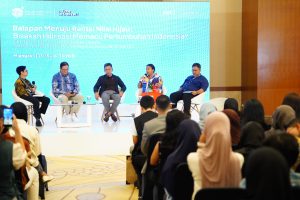
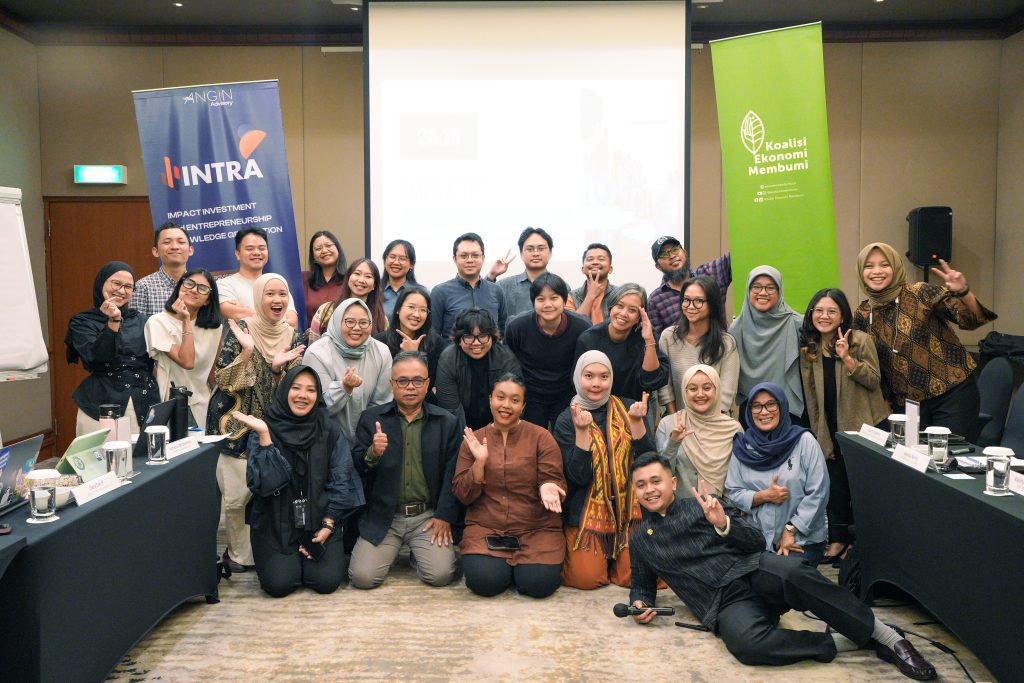
Angin Dampak Jaya (previously Angin Advisory), through INTRA Institute, together with Koalisi Ekonomi Membumi, collaborated for the Endowment Fund Management & Leads Assessment Training, a 5-day intensive workshop that digs deep into the endowment fund management, funding leads assessment, and fund organizational structure, designed to sharpen its participants’ understanding and practical skills in navigating the evolving landscape of impact funding.
Endowment Fund Management Context
An endowment fund is an everlasting fund managed by institutions, commonly directed towards specific social goals determined by its donors, private investors, and managing boards. Sectors that are common as endowment fund recipients are disaster relief, religious activities, education, and preservation of culture, nature, and history. The fund itself is expected to remain in number, circulated and managed to not bring significant profit, but usually for social/environmental impact. Endowment funds can be distributed in various forms, including grant & equity, but the most common is loans due to their nature.
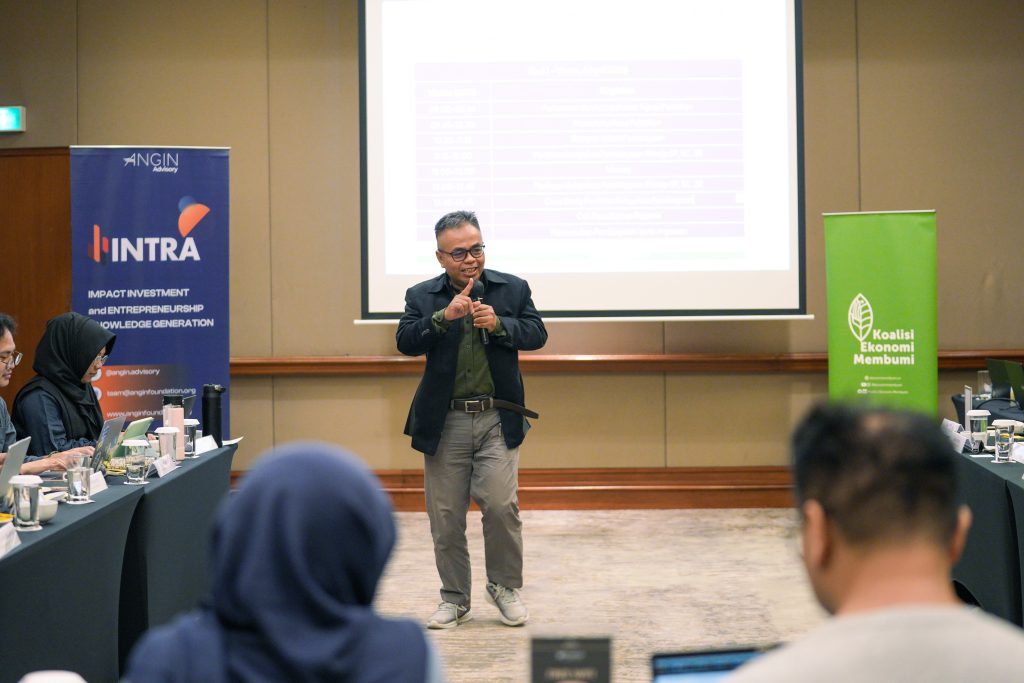
During the 5-day endowment fund workshop, led by Ade Rachmawan, participants learned the methods of managing endowment funds with credibility and accountability, strengthening business acumen to identify promising ventures, and ways of determining the right financing instruments based on risk profiles.
This training was designed for program designers working on business incubation or impact innovation, entrepreneurs who want to better understand how their proposal or venture is assessed by funders, and incubation coaches looking to strengthen the investment readiness of the ventures they support. Through the opportunity to learn with a strong support system and peer-learning approach among practitioners, participants were able to absorb the basic knowledge of fund management and lead assessment, as well as the additional contextual considerations necessary in the decision-making process.
The workshop, conducted on 6-10 April 2026, was divided into 3 different learning blocks for easier understanding and a faster learning process. Participants were expected to complete all the blocks in order to fully comprehend the reasoning and methods of managing endowment funds for impact investment purposes.
Block 1: The Need for Endowment Fund Management
The Director of Angin Dampak Jaya, Saskia Tjokro, presented the first session of the training. She laid out the context of the ecosystem, borrowing the Berkana Loop mentioned by Justin Adam and Nicole Schwab from Ostara Collective, highlighting the roles of pioneers and protectors within, roles that each attendee will take on as they continue their study and journey in the impact ecosystem.
To describe the way the impact ecosystem works, Saskia utilized The Dominant Party system, often used to describe the political occurrence when a dominant-party system is in place due to continuous domination over election results. However, when Saskia used the system to describe the ecosystem, she emphasized the existence and importance of the emergent system, which is continuously growing and developing new ways to create and amplify impact for the world.
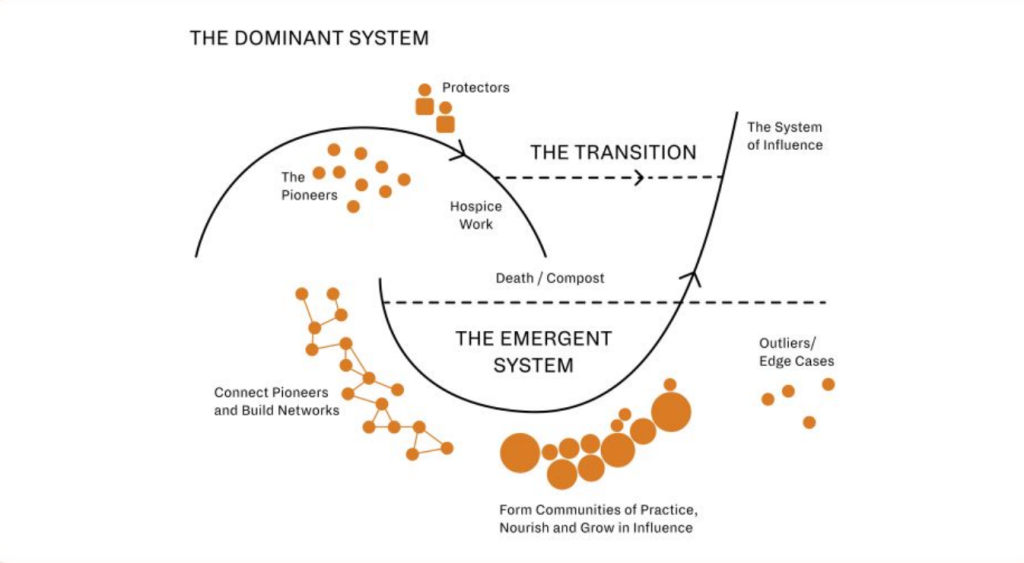
Within the ecosystem, the protectors are those working in conventional business practices, while those in the impact ecosystem often act as pioneers. Aside from the two, a small number jump in between to keep the balance between impact and continuity through profit and working governance system.
The impact ecosystem itself is a living, growing system that positively impacts and changes the lives of millions in various ways. By managing an endowment fund, we can create sustainable impact for those in need by fostering entrepreneurship and economic growth, thereby amplifying and extending positive change.
Block 2: Feasibility Analysis and Principles
To understand how to manage endowment funds and provide a thorough analysis of the businesses to support, one would need the specific skills and principles of feasibility analysis.
Before starting the second block of the training, the participants are led through a “moving statistics” session, where they move around in groups according to specific statistical measurements better to visualize the grouping and context of each group. The session, led by Saskia Tjokro, gave participants the perspective of investors and managers of endowment funds when making funding decisions.
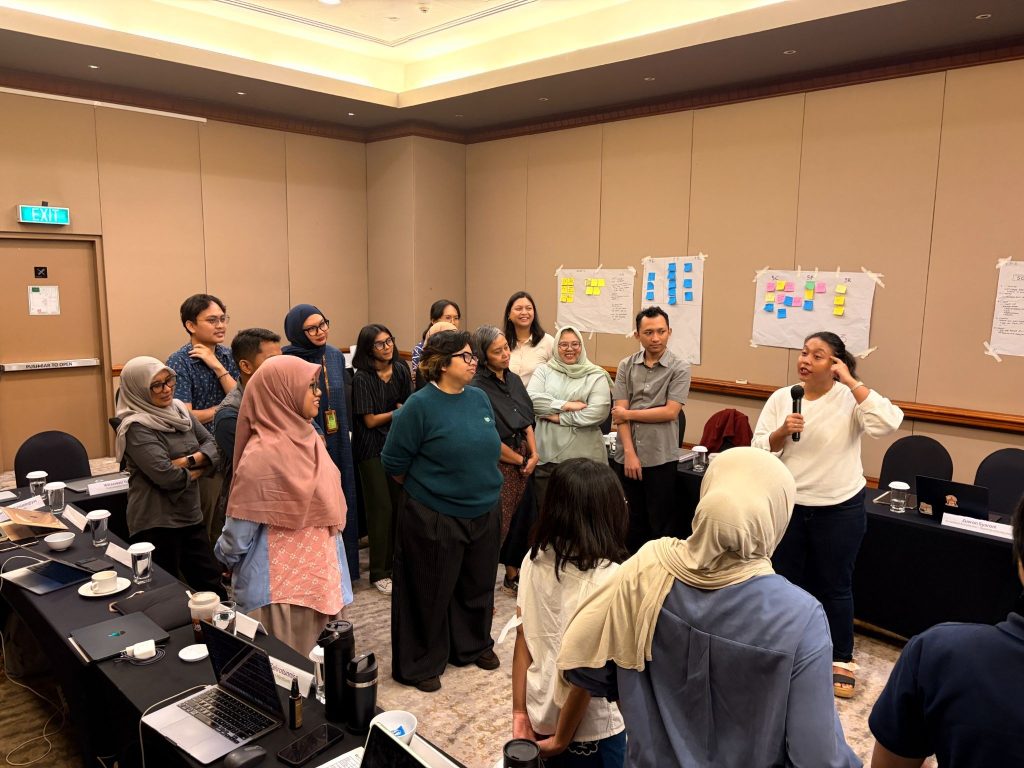
After the session, participants have a better understanding of the context to follow through with the second training block, provided by Ade Rachmawan, who delved into the whys, hows, and whens of the need for a thorough feasibility analysis. Ade Rachmawan introduced the 5C, 5P, and 3R principles, which are:
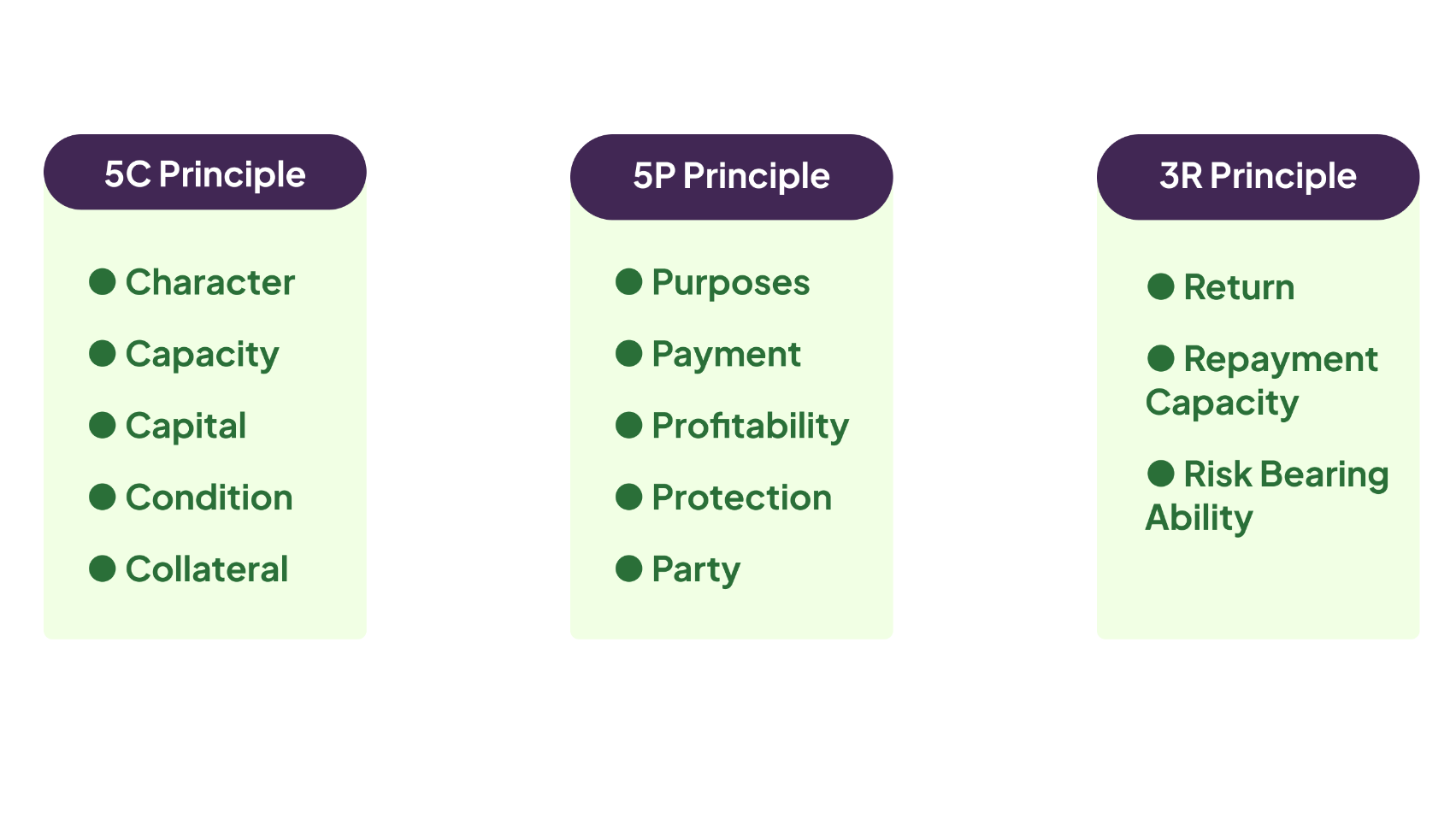
Each component is crucial to assessing the investment readiness of a business and its founders, because a business is only as good as its founders and key decision-makers. Participants are encouraged to reconsider businesses with mismatched founder profiles due to several factors, including unwillingness to pay, dissimilar goals or concerns, and a lack of social/capital collateral.
In addition to feasibility analysis, the training includes methods for determining the right funding scheme for various types of businesses, ways to record and prepare administrative documents, and how to handle problematic funding or businesses. These insights are valuable for fund managers in handling the fund and keeping tabs on the effectiveness of their funds, the cash flow, and repayment timekeeping; all crucial things when managing endowment funds.
Each day’s sessions conclude with case studies, in which participants assess business profiles, investment readiness, and funding schemes that match each business’s needs and risk-bearing capacity. These sessions enable participants to apply contextual considerations incorporated into the decision-making process.
Block 3: Fund Management & Organizational Structure
The final block of the workshop focuses on the fundamentals of fund management, how to prepare and read financial and balance reports for a fund organization, and team structure and roles, all crucial to the fund management process.
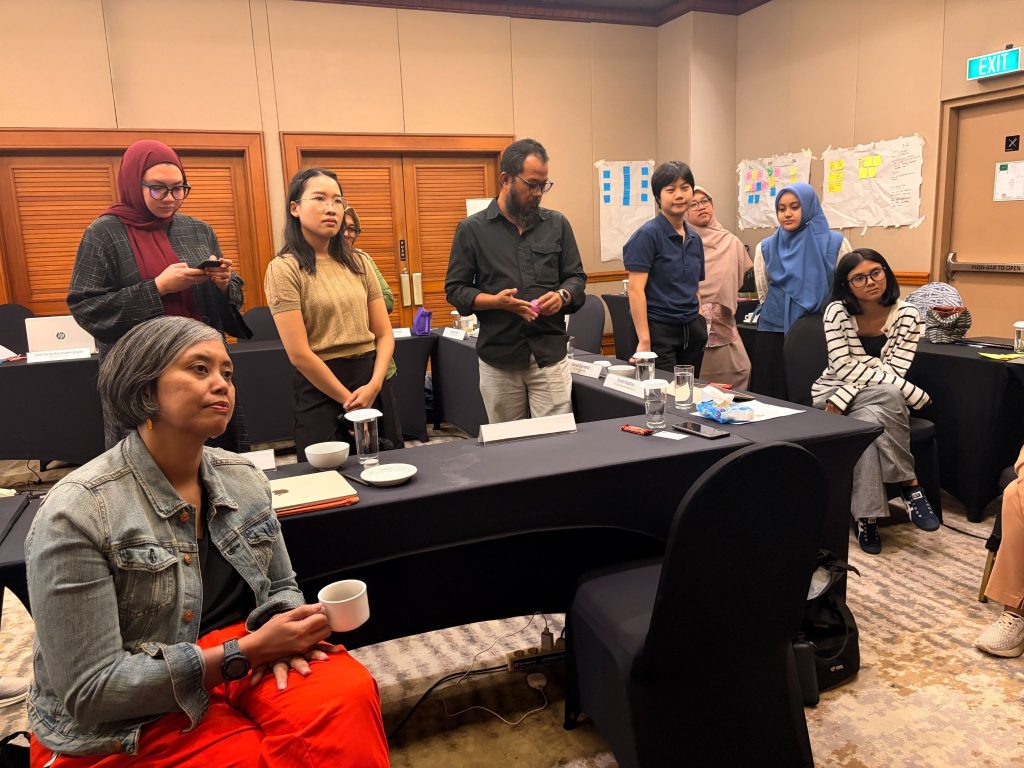
This third block requires participants to work through additional case studies to help them directly understand fund management practices. This session also includes building a functional team and assessing a business’s health through its financial and balance reports. These case studies, conducted in teams of 4-5 people, range from social enterprises to small-sized cooperatives.
Endowment Fund Training Completion
After participants had completed each step of the program during the 5-day training, each received a certificate signifying completion.
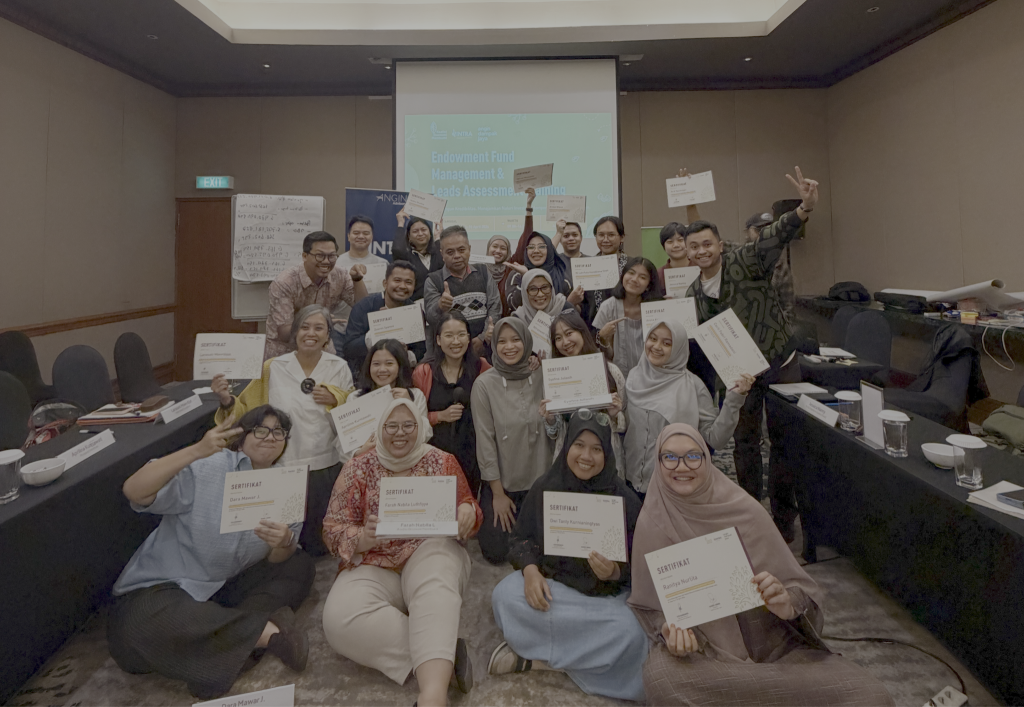
However, this is not the end of the collaboration between participants. The forum of participants is a living, growing group of ecosystem players that will hopefully give rise to future collaborations that are high in impact and low in failure, thanks to the training and insights gathered from the workshop.
In addition to the knowledge from the 3 training blocks, participants gained access to up-to-date databases, a glossary, and community groups for easy research and collaboration.
Update Your Knowledge on Endowment Fund Management with Angin Dampak Jaya
Fund management is merely one of Angin Dampak Jaya’s fields of work. Our expertise also includes innovative financing, business & investment advisory, research & intelligence, program development, and impact measurement.
Our line of work focuses on creating impact in the form of entrepreneurship, increasing the welfare of the people through life-changing work by supporting founders, innovators, and entrepreneurs in more ways than one. With entrepreneurship, we are changing the lives of beneficiaries everywhere, all over Indonesia and beyond.
Let’s change the world together, one impact enterprise at a time.