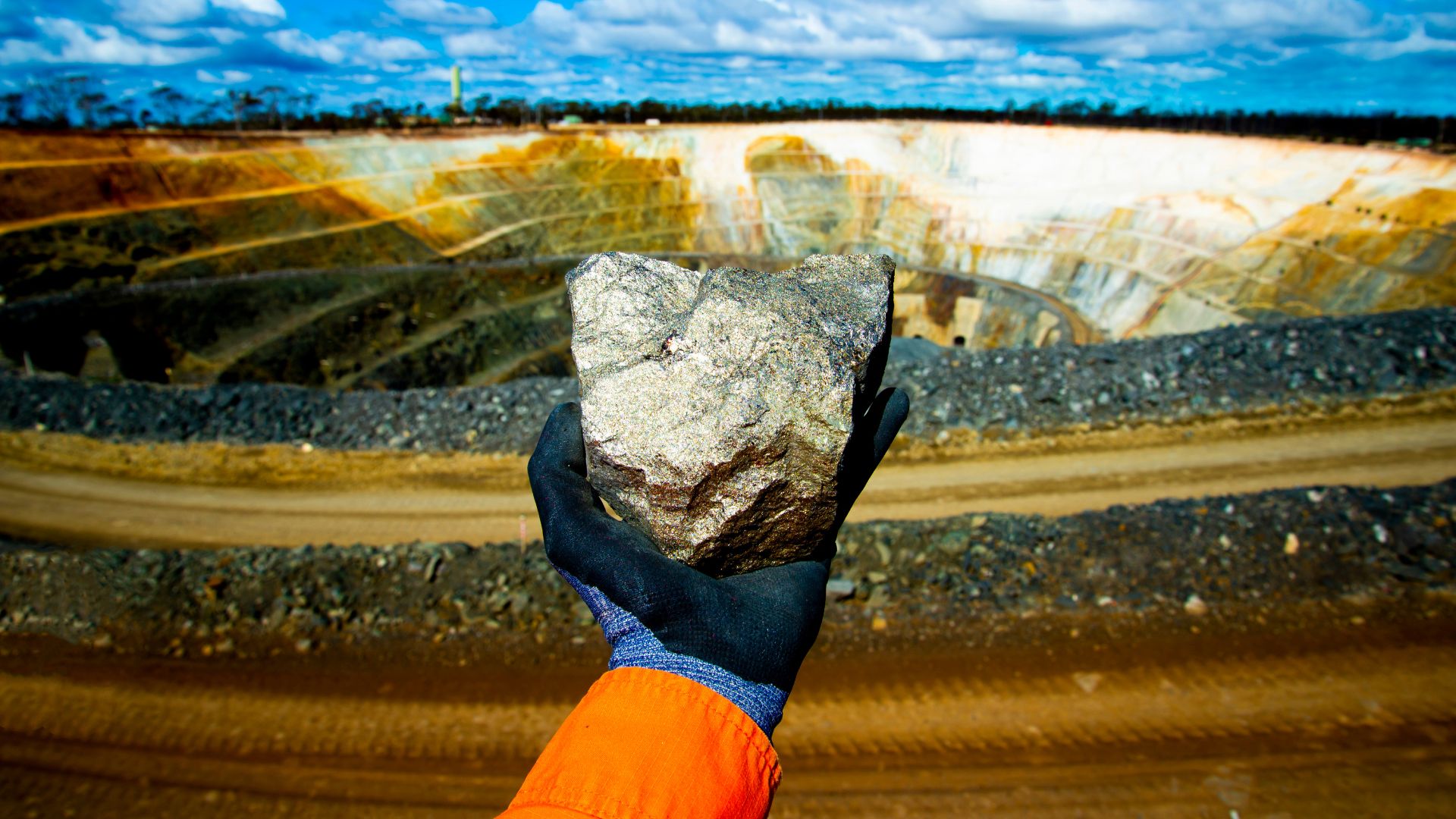
Indonesia might be known for its nickel reserves, but that’s not all it’s about. With the global energy transition, Indonesia has become a super important hub for making electric vehicle (EV) batteries. The demand for nickel is going up as the production of EVs around the world is increasing, and Indonesia is one of the biggest nickel suppliers worldwide.
It seems like moving forward with nickel downstreaming is a smart move. It’s not just about exporting raw materials anymore. It’s about building industries, bringing in investment, and becoming more involved in the global nickel value chain. But because of this, the opportunities are huge, but so are the risks. If the sector isn’t managed properly, the risks could be very serious.
EV Supply Chains Under ESG Scrutiny
Setyo Budiantoro, an expert in SDGs and ESG, explained that nickel downstreaming has two sides: major economic opportunities and real socio-ecological risks. The problem comes down to how the policies are designed, rather than choosing between pro-industry and pro-environment.
One key issue he highlights is carbon emissions within the EV production chain. The carbon footprint of EV production depends on more than just the vehicles on the road. It also depends on how the batteries for those vehicles are made. If nickel smelters are still using coal for electricity, the emissions that used to come from vehicle exhausts might just get moved to smokestacks. The “green vehicle” label can be called into question if the production chain itself isn’t clean.
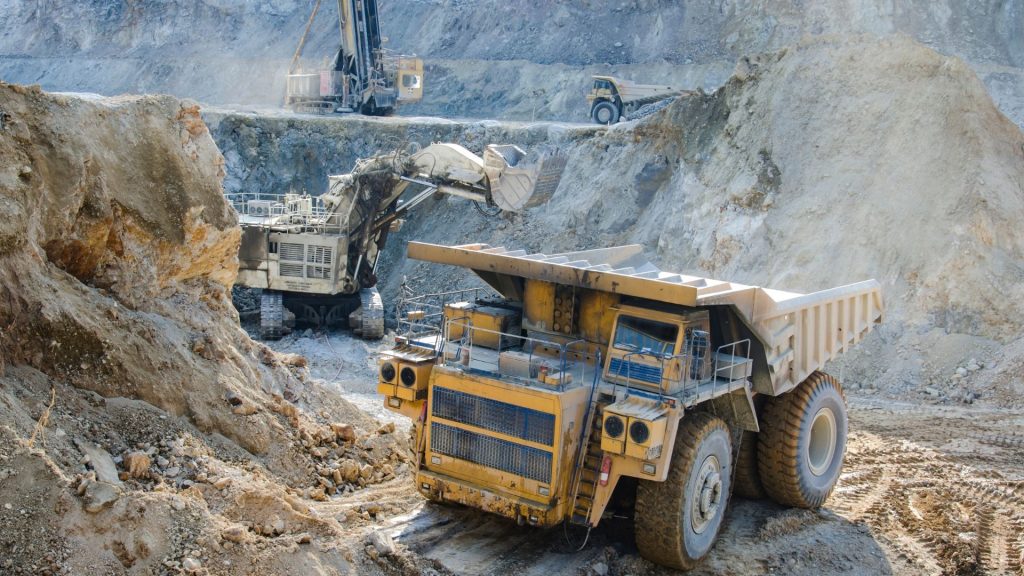
Nickel mining in Indonesia also often happens near forests, water sources, and local communities. When mines and smelters are growing really fast without strong governance in place, there’s a lot more risk of deforestation, river sedimentation, pollution, land conflicts, and workplace accidents. Global markets are taking a closer look at these issues. It’s not just a nice-to-have; it’s a must for anyone wanting to be part of the global EV supply chain.
Policies That Need to Be Strengthened
Budiantoro highlights a few specific policy tools that need to be strengthened. Environmental Impact Assessments (AMDAL) should be more than just a formality. They should be real deals that protect the environment. The areas that should be kept free of mining need to be clearly marked, no matter how big the nickel reserves are. It’s also important to develop an integrated spatial database to prevent overlapping permits and minimize land conflicts.
When it comes to the money side of things, state incentives for nickel suppliers and producers should be based on compliance with environmental and social standards. A transition taxonomy with clear criteria, emission thresholds, and a roadmap that’s easy to verify is also essential to make sure ESG labels aren’t just used for branding.
He also stresses the Financial Services Authority’s (OJK) role in regulating capital flows into this sector. There are three tools that could get the market to police the industry: corporate sustainability disclosure, investor stewardship, and strict due diligence mechanisms.
Foreign investors and companies doing business in Indonesia shouldn’t lower their ESG standards just because the country’s regulatory oversight may be more relaxed. These standards need to be kept up and put into practice.
Understanding Indonesia’s Nickel Dilemma
These views were written by Setyo Budiantoro in an op-ed article published by Kompas, as part of his collaboration with Angin Dampak Jaya. Setyo Budiantoro is a sustainable development expert at The PRAKARSA, a fellow at IDEAS-UID MIT Sloan School of Management, an SDGs-ESG expert at the Indonesian ESG Professional Association (IEPA), and a member of the Advisory Committee of Fair Finance Asia.
As one of the most consistent voices on SDGs and ESG issues in Indonesia, he further elaborates on the nickel value chain, the policy instruments that need strengthening, and what is truly at stake in this two-part op-ed article.
To better understand what’s at stake in Indonesia’s nickel value chain, read the articles:
Indonesia di Pusat Rantai Nikel Dunia dan Risiko Bencana (Bagian I).
Indonesia di Pusat Rantai Nikel Dunia dan Risiko (Bagian II-Habis)