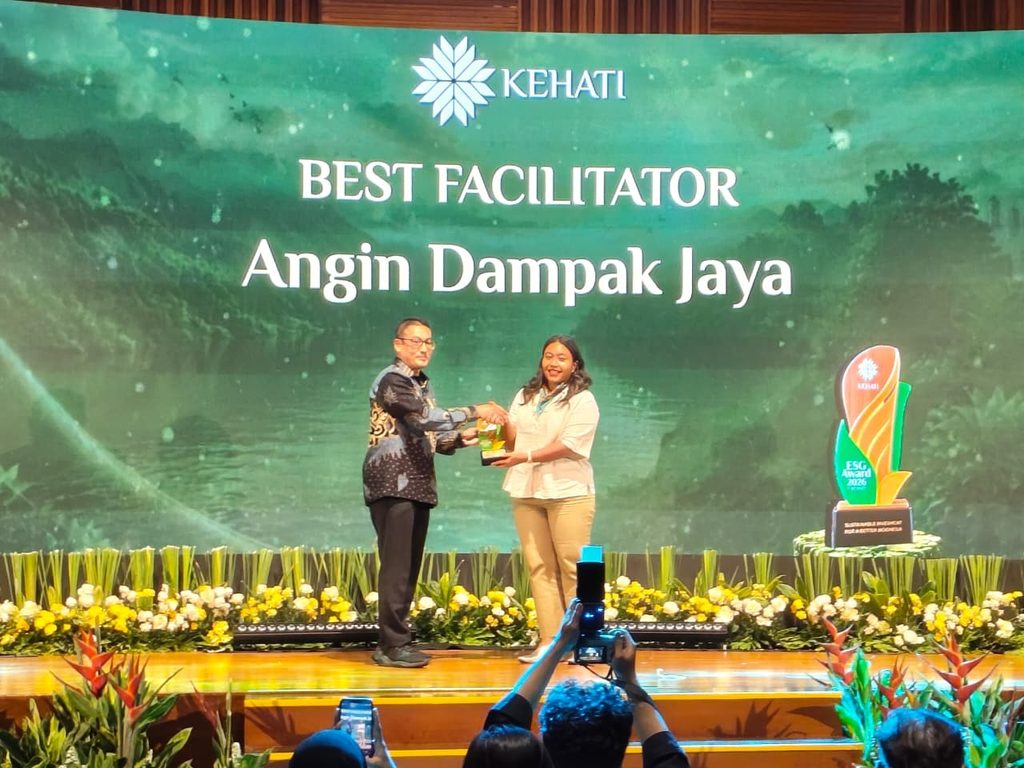
Angin Dampak Jaya (previously ANGIN Advisory) has just brought home the Best Facilitator award in the Impact Investment Category at the 2026 ESG Award, an initiative launched by the KEHATI Foundation in 2023 to promote ESG adoption and sustainable investment in Indonesia. This year, the award featured four categories: Capital Market, Impact Investment, Debt & Project Financing, and Best Facilitator.
But the numbers and trophy are only a small part of the story. More important is the ecosystem we are working to build, where capital, knowledge, networks, and partnerships come together to make responsible business more viable
What ESG Looks Like From Our Perspective
For us, ESG is simply a compass for navigating a changing economic landscape toward one destination: a green and inclusive Indonesia that upholds sustainability principles, is supported by policies that enable ESG practices, and rewards those who genuinely put them into practice rather than merely mentioning them in annual reports.
The reason this needs to keep being pushed is also simple. Extractive paths are always easier and quicker to turn into profits. ESG offers something different: long-term resilience, with an approach that is more restorative and protective rather than depleting. The shift in this direction is now coming from three sides at once, which is what makes it feel like more than a seasonal trend.
Money is beginning to move toward responsible businesses, with more investors paying attention to ESG performance before committing their capital. Regulation and public awareness are pushing businesses to become more transparent. Consumers are increasingly demanding products that genuinely cause no harm to anyone in the process of making them. These three forces reinforce one another, and that is what convinces us that ESG is a systemic shift, not a marketing gimmick.
As an impact investment manager, we see a real need to drive more businesses and investments that align with environmental, social, and governance principles. Impact investors remain profit-oriented; that does not change. But profit and impact can go hand in hand, and can even reinforce one another. Upstream in the funding pipeline, investors’ concerns over ESG issues are growing, and this is reflected in where their money flows: toward projects and businesses that genuinely perform well on ESG and deliver real impact, rather than simply applying a layer of greenwashing.
That is why we continue to advance the concept of funding for protection and restoration, directing capital toward conservation efforts aligned with ESG frameworks while working to reduce destructive resource exploitation, whether through mining, deforestation, or other extractive practices.
Beyond the Trend, This Is What We’ve Built
Looking back, Angin Dampak Jaya did not just start following the ESG movement. From the beginning, the path we chose, social entrepreneurship, was already naturally aligned with its principles, long before ESG became a widely discussed buzzword.
Our role as a facilitator, reflected in the category of the award we received, is not simply about channeling funds. The model we have built bridges three forms of capital at once: knowledge, finance, and networks. These three work together because genuine social entrepreneurship is not about attaching a CSR program to the side of a business that otherwise operates as usual. It goes deeper than that; an impact mission is integrated directly into the business strategy itself, rather than treated as an addition to the annual report.
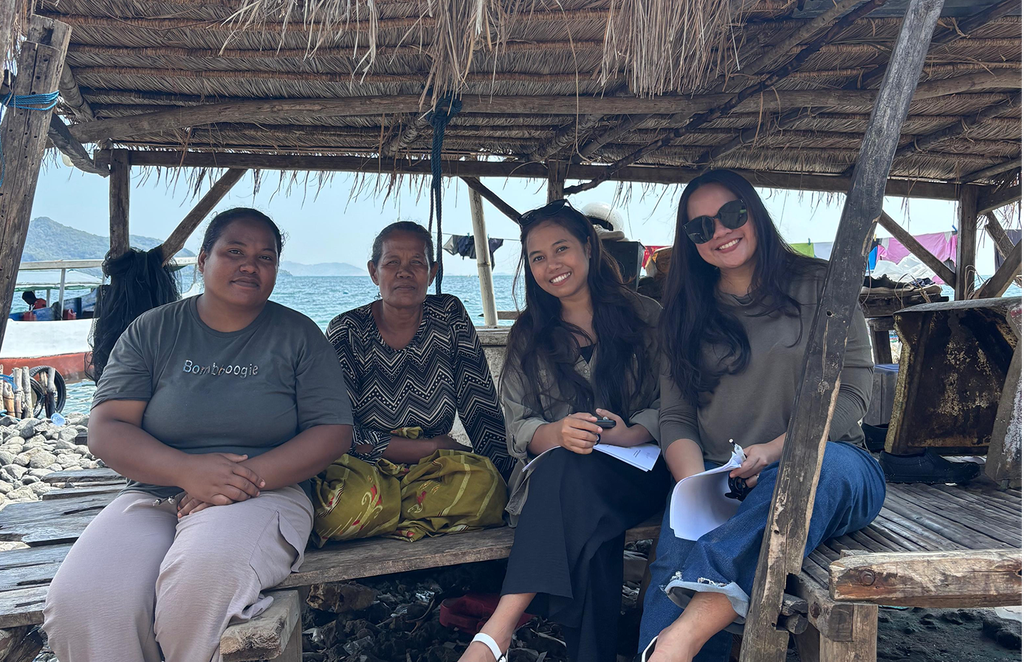
Throughout 2025 to May 2026, Angin Dampak Jaya facilitated:
- 12 clients and deals, with a cumulative value of IDR 86.89 billion, covering projects such as VACIL VC3, ARCONESIA, Java Kirana, and MYCL.
- IDR 7.8 billion in grants disbursed.
- IDR 4.8 billion in assets under management (AUM).
- An ecosystem involving 300+ investors, 100 companies, 50 government institutions, 50 universities, 150 international organizations, and 80 incubators and accelerators.
Angin Dampak Jaya also played a key role in driving the success of the VACIL VC3 Project by Koalisi Ekonomi Membumi (KEM) to optimize the restorative economy of coconut plantations in East Nusa Tenggara, with IDR 82 billion in investment from two angel investors across more than 2,000 hectares of land.
Through the Impact Revolve and Wirausaha Hijau Revolving Fund programs, we also facilitated more than IDR 5.14 billion in funding for 11 entities.
Beyond financing, four workshops and focus group discussions were held throughout 2025–2026. These included the workshop “Going Global Sustainably and Economic Transition in Electric Vehicle Value Chain” in Beijing, held together with UN-PRI and Bappenas.
There were also 7 sustainability research publications produced through INTRA Institute, Angin Dampak Jaya’s knowledge generation unit. We also supported women entrepreneurs disbursing IDR 1 billion in catalytic grants under the BUILD program, as well as channeled more than IDR 3 billion in grants to support social entrepreneurs and the best ideas in the environmental and health sectors through the Pikiran Terbaik Negeri program.
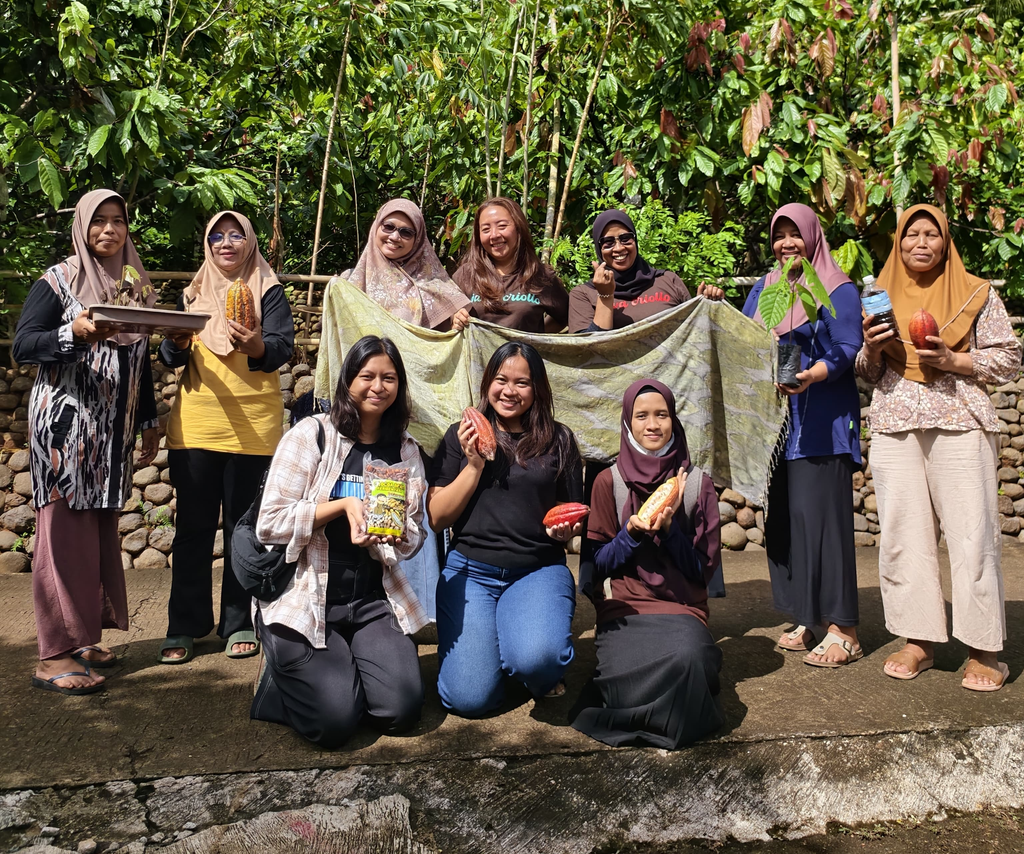
But among all these numbers, what stays with us most are the stories from the field that are difficult to capture in statistics. One example is the numerous KUPS Perhutanan Sosial we met along the way. KUPS is a business classification created by the Ministry of Forestry for community groups managing forest resource-based enterprises such as honey, spices, and chocolate. With numerous KUPS operating across Indonesia, these groups carry strong profitability and sustainability potential, functioning not only as businesses but also as stewards responsible for maintaining and protecting the forests they rely on.
This is where ESG stops being an abstract concept on paper and becomes tangible. People protect forests not because regulations tell them to, but because the forest is their source of livelihood. Protecting that livelihood, in turn, means protecting their way of life for the long term.
What the Recognition of 2026 ESG Award Means
The Best Facilitator award of the 2026 ESG Award is not a standalone headline. Two things matter more than the trophy itself.
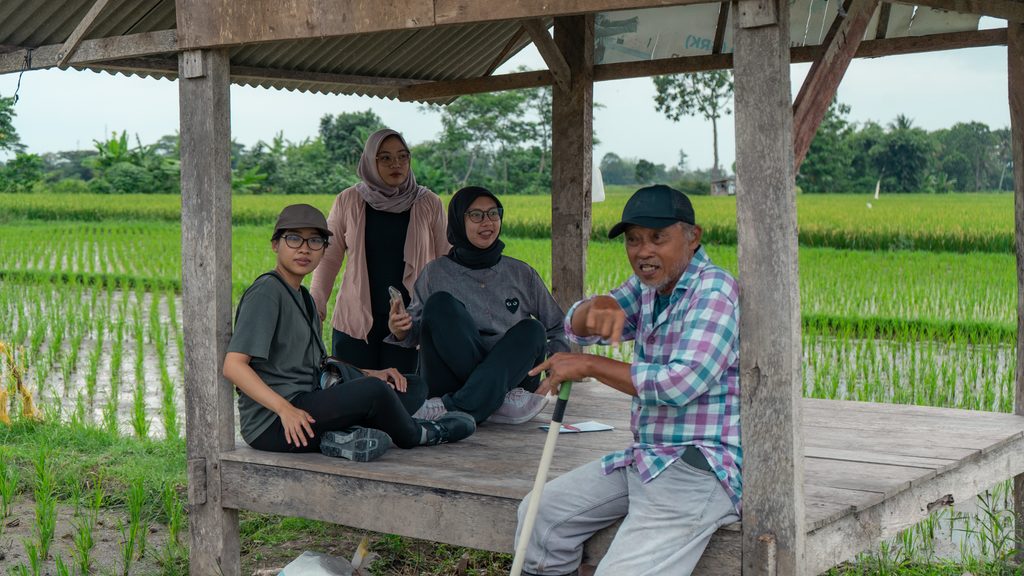
First, it validates a direction we had been pursuing long before ESG became a widely used buzzword: that bridging knowledge, finance, and networks for social entrepreneurs is a viable path, and one that can work in practice. Beyond good intentions, this is an approach that works in practice, can be applied across sectors, and delivers results that can be measured and accounted for.
Second, and perhaps more importantly, the award creates a space for amplification. Recognition from an institution as established as KEHATI, through an award as prestigious as the 2026 ESG Award, naturally brings wider attention to practices that have often operated quietly: in the field, among farmer groups, and with small businesses that rarely enter the radar of large investors.
We hope that more stakeholders, whether investors, policymakers, or fellow facilitators, will be moved to collaborate and support responsible local businesses rather than simply watching from the sidelines.
If this recognition can open even one new door for collaboration, that would be one of the most meaningful outcomes we could hope for.
Read more about our role in the impact entrepreneurship landscape in the article by our Director, Saskia Tjokro, for Kompas’s 81st Independence Day of Indonesia special edition, “Bukan Tamu di Negeri Ini”. Read the article here.