Energy transition presents new challenges for countries that rely on natural resources. On the one hand, revenues from oil, gas, and critical minerals can serve as an important source of financing for the energy transition. On the other hand, excessive dependence on finite resources also carries long-term fiscal and economic risks.
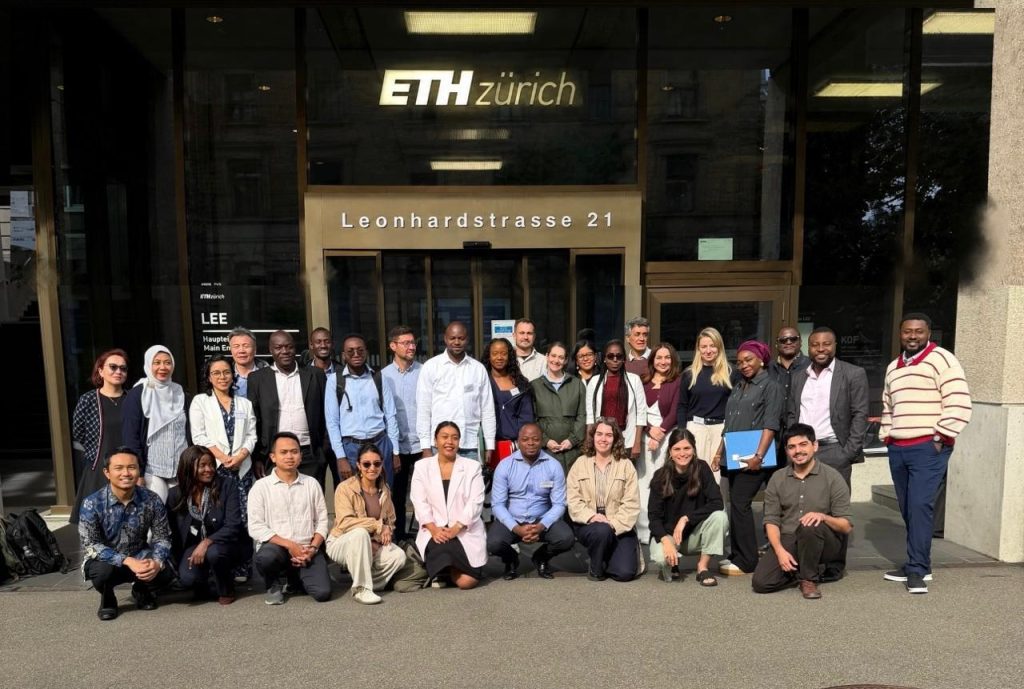
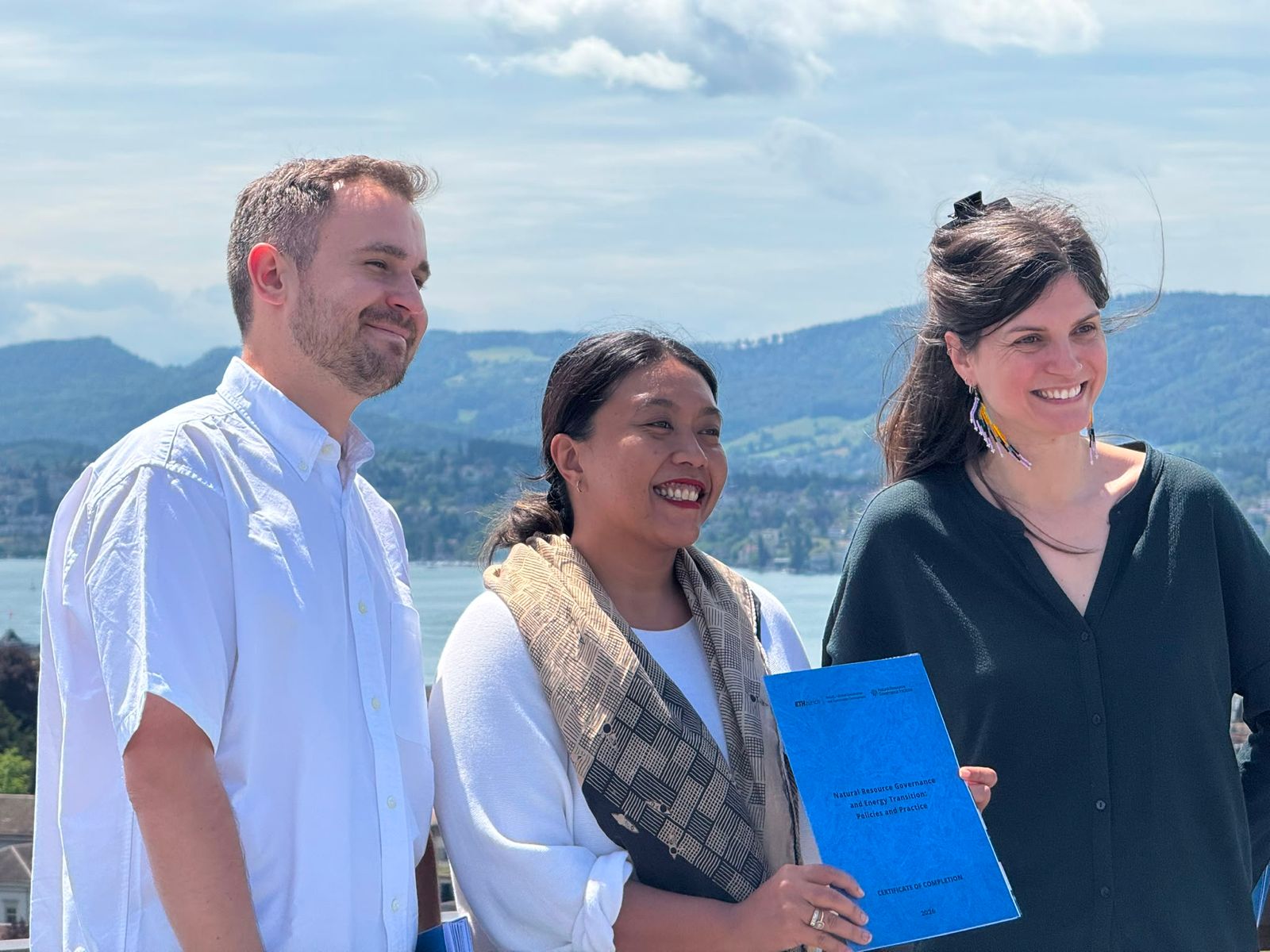
To deepen understanding of these issues, Saskia Tjokro, Director of Angin Dampak Jaya, participated in the Natural Resource Governance and Energy Transition: Policies and Practice program organized by ETH NADEL together with the Natural Resource Governance Institute (NRGI) in the second quarter of 2026. Saskia joined the program representing INTRA Institute, the knowledge generator of Angin Dampak Jaya, focusing on energy transition and non-extractive economies.
A Seven-Week Learning Journey
The program was delivered in two phases. The online sessions ran from 16 April to 22 May 2026, before participants convened in Zurich, Switzerland, from 1 to 6 June 2026 for the in-person segment.
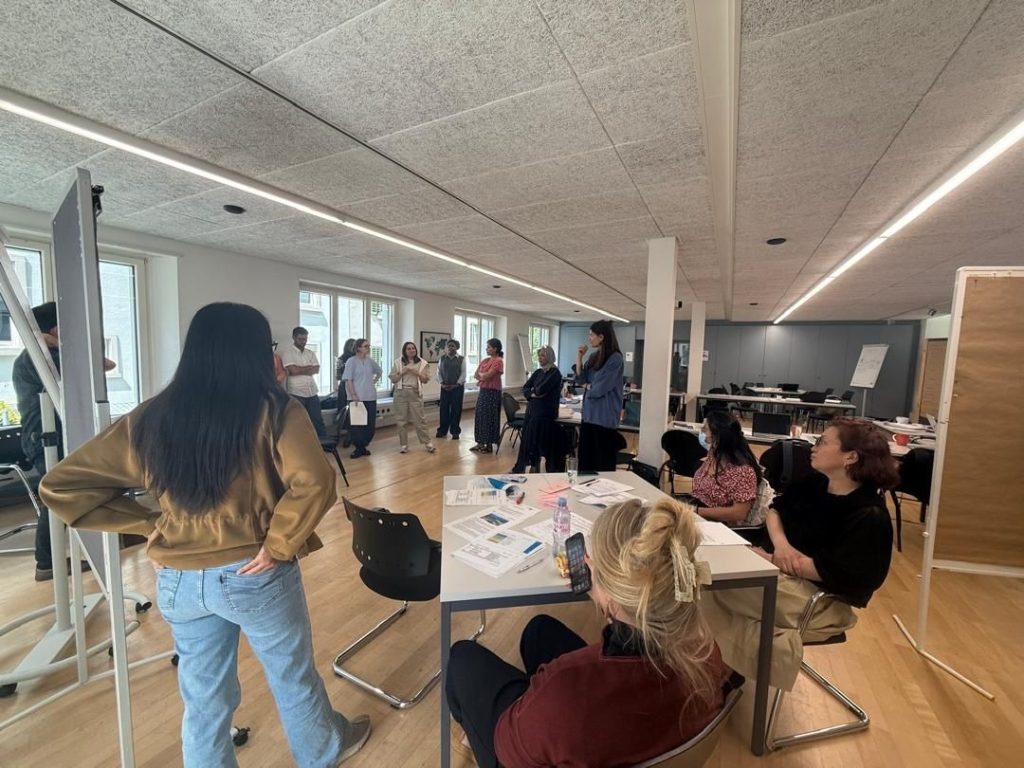
Participants came from a wide range of backgrounds, including government agencies, civil society organizations, state-owned enterprises, parliaments, media, international development institutions, the private sector, as well as academics, researchers, and analysts. This diversity brought together a broad set of experiences and perspectives on natural resource governance across different national contexts.
Throughout the program, participants engaged with a range of topics related to natural resources and energy transition. The curriculum covered energy transition challenges for fossil fuel and critical mineral-producing countries, the political economy of resource extraction, fiscal regimes and taxation, public revenue management, environmental and social impacts, community engagement, local value creation, economic diversification, and the governance of state-owned enterprises.
INTRA’s Perspective on Natural Resource Governance Discussions
As part of the program, each participant brought perspectives and experiences relevant to their respective national contexts.
For this program, Saskia prepared a perspective document representing INTRA’s views on natural resource revenue management and financing the energy transition. The document addresses a range of challenges commonly faced by resource-rich countries, including public revenue management, fiscal stability, and the governance of the extractive sector.
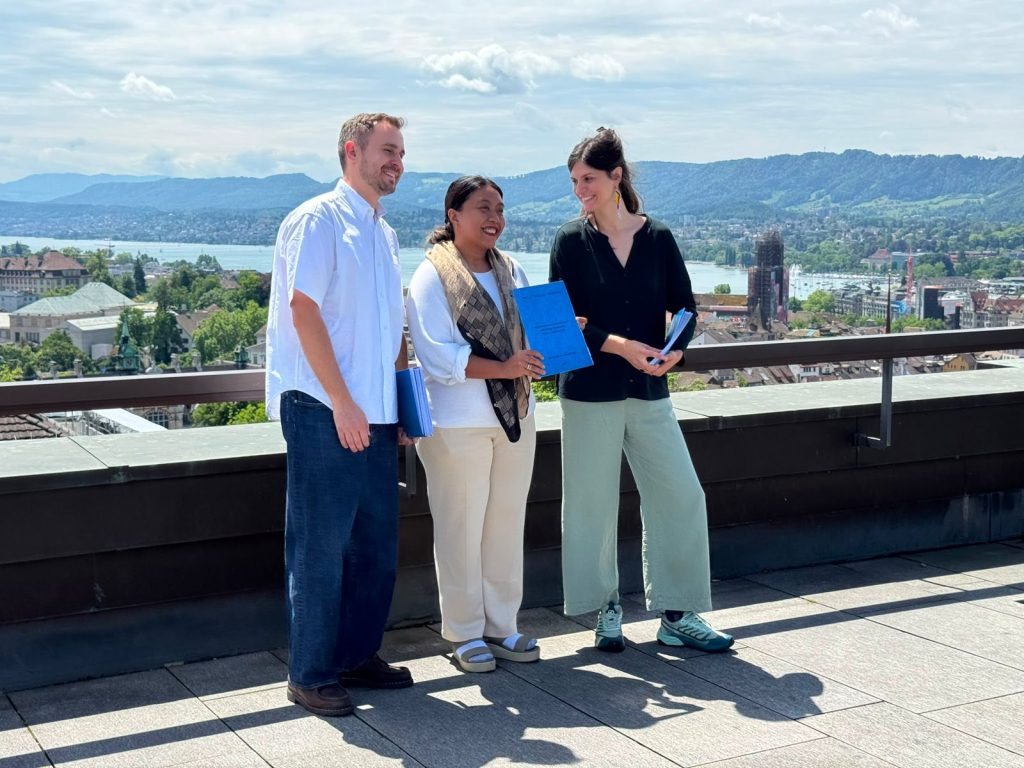
In addition, the document highlights several examples from different countries. Botswana, Peru, and Qatar are discussed in the context of natural resource revenue management, while Norway is referenced as an example of oil and gas sector governance through a licensing system established under a legal framework that has been in place since 1996.
In a broader discussion, the document also raises the concepts of Dutch Disease and Zombie Transparency as part of the examination of governance and transparency challenges in the extractive sector.
Another risk discussed is the white elephant phenomenon in natural resource management, referring to the tendency of resource-rich countries to pursue large-scale expansion or spending following commodity booms, which may not always align with revenue volatility. This issue forms part of the discussion on public revenue management in the context of rising global demand for critical minerals.
Transforming Learning into Research and Policy Action
Participation in this program aligns with the work of INTRA Institute to develop research on the energy transition and non-extractive economies.
Through various research outputs and publications, INTRA engages with topics related to bioeconomy, critical minerals, electric vehicle supply chains, and Environmental, Social, and Governance (ESG). As part of Angin Dampak Jaya, INTRA also works to bridge research findings with policy discussions through engagement with regulators, investors, academics, and civil society.
Participation in the Natural Resource Governance and Energy Transition: Policies and Practice program adds to the perspectives used by INTRA Institute in developing its research and discussions on natural resource governance and energy transition in Indonesia and beyond.
Stay tuned for INTRA Institute’s upcoming research, which continues to explore energy transition and natural resource governance!